Manila to Bali: A Filipino Traveler’s Guide to Culture, Currency, and Connection
The cabin door opens at Ngurah Rai International Airport, and the air that greets you is different. It’s not the familiar, kinetic energy of Manila; it’s something softer, scented with frangipani and the faint, sweet smoke of kretek. For the Filipino traveler, the four-hour flight from NAIA is more than a change in geography—it’s a subtle shift in rhythm. The Island of the Gods, a favored escape, presents a culture that feels at once relatable in its tropical warmth and distinctly profound in its daily devotion. But bridging that short distance requires more than a plane ticket. It demands a grasp of the nuances—the etiquette of a temple visit, the value of the rupiah in your wallet, and the flavors that await. The proximity makes a weekend trip possible, but thoughtful preparation makes it meaningful. This guide is crafted for the discerning Filipino traveler, addressing the specific questions that arise when planning a trip to Bali from Manila. See also: Manila to Bali Travel Guide About.
The Air Bridge: Direct Flights from NAIA to Denpasar
The journey from the Philippines to Bali has become remarkably streamlined, thanks to direct air links that transform a once-long-haul destination into a feasible weekend retreat. The primary corridor for this route is the Manila to Bali flight connecting Ninoy Aquino International Airport (MNL) to I Gusti Ngurah Rai International Airport (DPS) in Denpasar. The flight time is approximately four hours, a duration that allows for a morning departure from Manila and a mid-afternoon arrival, just in time for a sunset drink in Seminyak. See also: Manila to Bali Travel Guide.
Two principal carriers service this direct NAIA to Denpasar route:
- Cebu Pacific (5J): Often departing from NAIA Terminal 3, this airline provides a budget-friendly option, making Bali accessible for spontaneous getaways. Round-trip fares, when booked several months in advance, can be found in the $200 to $350 USD range.
- Philippine Airlines (PR): Also typically operating from NAIA, the nation’s flag carrier offers a full-service experience. Fares may range from $350 to $600 USD, depending on the season and booking class.
Booking a Manila bali flight requires strategic timing. For the best rates, consider traveling during the shoulder seasons—April to June and September to October—which fall outside the peak tourist months of July, August, and the December holidays. A booking window of three to five months is generally recommended to secure competitive pricing. Upon arrival at Denpasar (DPS), the airport is modern and efficient, with clear signage for immigration and baggage claim, setting a smooth tone for your arrival. See also: Contact.
Visa and Entry Formalities for Philippine Passports
For Filipino citizens, entry into Indonesia for tourism is a straightforward process, strong ASEAN ties. requirements for a trip from the Philippines to Bali is refreshingly simple, freeing you to focus on your itinerary rather than paperwork. See also: explore Filipino Visa Bali.
Philippine passport holders are entitled to a visa-free entry for up to 30 days. This is non-extendable and sufficient for the vast majority of holiday and weekend trips. To qualify for this facility, ensure you meet the following criteria upon arrival at immigration:
- A passport with at least six months of validity from your date of entry.
- A confirmed return or onward ticket to your next destination.
- Sufficient funds for your stay, though proof is rarely requested.
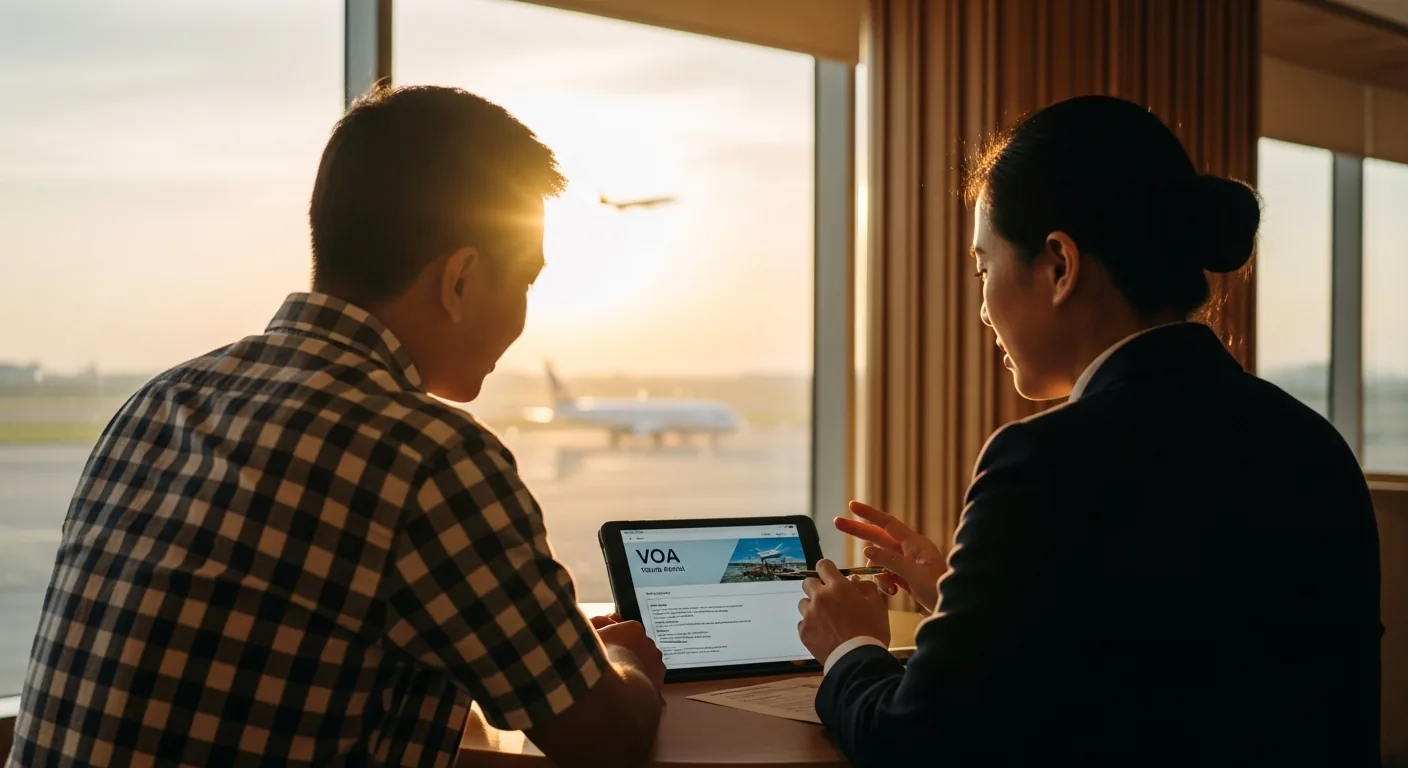
In addition to these standard requirements, all international travelers arriving in Indonesia must complete an Electronic Customs Declaration (e-CD). This can be filled out online up to 48 hours before your arrival via the official Indonesian customs website. Once completed, you will receive a QR code, which you will present to customs officials after collecting your luggage. It is advisable to have a screenshot of this QR code saved on your phone. For those planning a stay longer than 30 days, a Visa on Arrival (VOA) is available for purchase at the airport for approximately IDR 500,000 (around $32 USD), which is valid for 30 days and can be extended once for another 30 days.
From Peso to Rupiah: A Practical Guide to Currency in Bali
Understanding the currency exchange from Philippine Peso (PHP) to Indonesian Rupiah (IDR) is fundamental to a smooth financial experience in Bali. The exchange rate fluctuates, but as a general guide, 1 PHP is roughly equivalent to 300 IDR. This means that PHP 1,000 translates to approximately IDR 300,000. Seeing prices in the hundreds of thousands can be initially jarring, but you quickly adapt.
Exchanging your currency requires some savvy. Avoid changing large sums at NAIA, as airport exchange rates are typically unfavorable. It is wise to exchange a small amount—perhaps $50 to $100 USD worth of pesos—upon arrival at Denpasar airport to cover immediate expenses like a taxi or a bottle of water. For larger amounts, authorized money changers in tourist hubs like Kuta, Seminyak, or Ubud offer far better rates. Look for reputable companies like BMC (Bali Maspintjinra) or those with clear “No Commission” signs and proper offices. Always count your rupiah in front of the teller before leaving.
Using ATMs is another convenient option. ATMs from major Indonesian banks such as BCA, Mandiri, and BNI are reliable and widely available. However, be aware of the fees. You will likely incur a charge from the local Indonesian bank and a separate foreign transaction fee from your own bank in the Philippines, often totaling $3 to $5 USD per withdrawal. It is often more cost-effective to withdraw larger amounts less frequently.
| Exchange Method | Pros | Cons | Best For |
|---|---|---|---|
| NAIA Airport Changers | Convenience before departure | Poor exchange rates | Not recommended |
| Denpasar Airport Changers | Immediate access to IDR on arrival | Slightly lower rates than in town | Small amounts ($50-$100) for initial expenses |
| Authorized Money Changers (e.g., BMC) | Best exchange rates, often no commission | Requires finding a reputable location | Exchanging larger cash amounts ($100+) |
| Bank ATMs (e.g., BCA, Mandiri) | Secure, 24/7 access | Multiple fees per transaction, withdrawal limits | Convenient cash access throughout your trip |
Balinese Etiquette: Navigating Cultural Norms with Grace
The essence of Bali lies in its deeply ingrained Hindu-Balinese culture, which permeates every aspect of daily life. For the visitor, understanding and respecting these customs is not just polite; it is the key to a more authentic and welcome experience. “The core of our culture is *Tri Hita Karana*—the three causes of well-being,” explains Kadek Arini, a cultural guide based in Ubud. “It is the harmony between humans and God, between humans and their community, and between humans and nature. Every offering, every ceremony, is a reflection of this balance.”
When visiting any of Bali’s more than 20,000 temples (*pura*), proper attire is non-negotiable. Both men and women are required to wear a sarong to cover their legs and a sash tied around the waist. If you do not have your own, they are available for rent at the entrance of major temples like Uluwatu or Tanah Lot for a nominal fee, typically IDR 10,000 to 25,000. Remember to never point your feet towards a shrine and avoid touching anyone on the head, which is considered the most sacred part of the body. Also, women who are menstruating are respectfully asked not to enter the temple grounds.
In social interactions:
- Use your right hand: Always use your right hand when giving or receiving something, including money, and when eating with your hands. The left hand is traditionally considered impure.
- Greetings: A gentle handshake is common, but a more traditional greeting is the *sembah*, placing your palms together in a prayer-like gesture at chest level with a slight nod.
- Respect the offerings: You will see small, woven palm-leaf baskets called *canang sari* on sidewalks, in doorways, and on shrines. These are daily offerings to the gods. Be careful not to step on or over them.
A Culinary Parallel: What to Eat in Bali for the Filipino Palate
The Filipino traveler will find comforting familiarity in Balinese cuisine. The centrality of rice, the love for roasted pork, the use of fragrant spices, and the interplay of sweet, sour, and savory flavors create a culinary bridge between the two archipelagos. A meal at a local eatery, or *warung*, can cost as little as IDR 30,000 to 70,000 ($2 to $5 USD), offering exceptional value and flavor.
For a taste of something akin to our beloved *lechon*, the absolute must-try is *Babi Guling*, or suckling pig. The pig is stuffed and marinated with a rich blend of Balinese spices (*basa gede*), including turmeric, coriander, lemongrass, and galangal, then slow-roasted to perfection. While the famous Ibu Oka in Ubud is a popular starting point, many local warungs offer their own stellar versions. Another familiar concept is *Nasi Campur Bali*, the Balinese equivalent of a value meal with a scoop of rice surrounded by small portions of various dishes, often including lawar (minced meat and vegetables), sate lilit, and a boiled egg.
Key dishes to explore:
- Sate Lilit: Unlike Filipino BBQ sticks, this is minced meat (often fish, chicken, or pork) blended with coconut and spices, then “wrapped” around a skewer of lemongrass or bamboo.
- Bebek Betutu: Slow-cooked duck steamed or roasted in a rich spice mix, resulting in incredibly tender meat.
- Sambal Matah: This is not a dish but a vital condiment. It’s a raw sambal made from sliced shallots, lemongrass, garlic, and chili, doused in coconut oil. Its fresh, zesty kick elevates any grilled dish.
For a more upscale dining experience, restaurants in Seminyak or Canggu can range from IDR 200,000 to 400,000 ($13 to $26 USD) per person, showcasing modern interpretations of these classic Indonesian flavors.
Crafting the Perfect Bali Weekend Itinerary from Manila
The short Manila to Bali flight time makes a three-day, two-night weekend escape not just possible, but highly rewarding. This condensed itinerary focuses on capturing the diverse spirit of southern Bali, blending relaxation with cultural immersion.
Day 1: Friday – Arrival and Seminyak Sunsets
Arrive at DPS in the early afternoon. A pre-booked car or a ride-hailing service like Gojek or Grab will take you to Seminyak in about 30-45 minutes (approx. IDR 150,000-200,000). After checking into your hotel, make your way to one of the area’s iconic beach clubs, such as Potato Head Beach Club or Ku De Ta. A signature cocktail will cost around IDR 180,000 (about $12 USD) as you watch one of Bali’s famous sunsets. For dinner, explore the vibrant “Eat Street” (Jalan Kayu Aya) or indulge in refined Indonesian cuisine at a restaurant like Merah Putih.
Day 2: Saturday – Cultural Heart of Ubud
Hire a private driver for the day (around IDR 600,000 or $40 USD for 8-10 hours) for a trip to Ubud. Start at the Tegalalang Rice Terraces (entrance fee: IDR 25,000) for iconic photos. Next, visit the Sacred Monkey Forest Sanctuary (entrance fee: IDR 80,000), a unique experience interacting with long-tailed macaques in a temple complex. For lunch, ask your driver to take you to a local *warung* for authentic *Babi Guling*. In the afternoon, visit Tirta Empul, the holy water temple, where you can observe or partake in the purification ritual (sarong rental required).
Day 3: Sunday – Canggu Vibe and Departure
Spend your final morning embracing the laid-back surf culture of Canggu. Enjoy a healthy breakfast at a trendy café like Crate Café or The Shady Shack. If time permits, do some last-minute souvenir shopping at a fixed-price store like Krisna Oleh-Oleh, which is conveniently located on the way to the airport. Head to Ngurah Rai (DPS) at least three hours before your evening flight back to Manila, filled with the sights, sounds, and spirit of the island.
Bali’s allure for the Filipino traveler is its blend of the exotic and the familiar. It is a destination that feels a world away in its spiritual depth yet close to home in its tropical hospitality. With practical planning on flights, currency, and customs, your trip from Manila to Bali can transcend a simple vacation, becoming a seamless and enriching cultural exchange.
For bespoke itineraries, private tours, and expert planning for your travel from the Philippines to Bali, our specialists are ready to assist. We manage the details so you can immerse yourself in the experience.
Manila to Bali Travel Guide
Address: Jalan Sunset Road No. 88, Kuta, Badung, Bali 80361, Indonesia
Phone: +6281-1394-14563
Email: [email protected]